
What Technology Powers Live Casino Games and Game Shows?
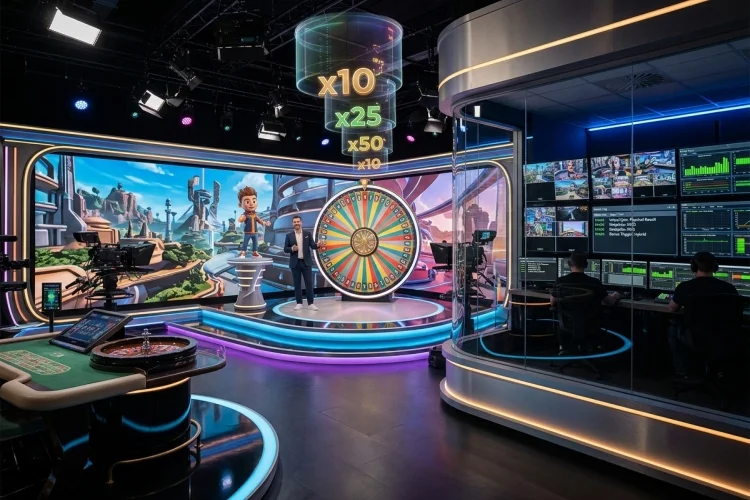
Modern live casino content is no longer limited to a dealer sitting behind a blackjack or baccarat table. Some productions now use giant wheels, virtual multipliers, animated characters, 3D bonus environments, and television-style sets.
These experiences combine physical studio action with software-generated features. To understand what technology powers live casino games and game shows, it is important to separate the different sources of an outcome.
A traditional live roulette result may come from a physical wheel and be detected electronically. A modern game show may combine a physical wheel with random-number-generated multipliers, while augmented reality adds graphics that do not physically exist in the studio.
These layers must remain synchronized so players can distinguish the real equipment, digital overlays, betting options, and final result.
The platform must also record which technology determined each part of the game. Regulatory standards emphasize clear rules, accurate data, auditability, and procedures for human or system errors.
Multi-Camera Production Creates the Live Experience
Live game shows use production methods similar to television broadcasts. Several cameras may capture the presenter, wheel, contestants, close-up results, and studio-wide action.
A production control system can switch between camera angles or combine them in a single feed. Lighting, sound mixing, graphics, and presenter cues are coordinated to create a consistent show.
Evolution describes Crazy Time as using multi-camera live action alongside augmented reality, RNG multipliers, and video-game-style components.
The visual quality does not determine the mathematical result, but it influences how clearly participants can follow the game.
OCR and Sensors Detect Physical Outcomes
Traditional card games commonly use OCR to read cards and transmit their values to the gaming platform. The system can then display those cards in the interface and calculate settlements.
Roulette and wheel-based games may use cameras, sensors, or other specialized devices to identify the winning segment. The physical event is converted into structured outcome data before the platform applies the wager rules.
GLI describes live dealer systems as translating physical transactions into data through technologies such as OCR. Its testing may include technical, system, premises, staffing, and synchronization checks.
RNG Technology Can Power Digital Elements
Not every part of a live game show must come from physical equipment. A random number generator may determine multipliers, bonus values, digital wheel results, or other software-controlled events.
The game rules should make clear which outcomes come from physical devices and which are generated electronically. RNG components are generally evaluated separately to confirm that their output meets applicable randomness and security standards.
Evolution states that some of its game shows combine physical live action with RNG-generated multipliers and augmented-reality components.
A hybrid design does not automatically make a game unfair. The important questions are whether each mechanism is approved, accurately represented, and tested.
Augmented Reality Adds Virtual Objects
Augmented reality places computer-generated images over a live video feed. A presenter may appear beside animated symbols, virtual multipliers, 3D characters, or a bonus environment that exists only on screen.
Unlike fully virtual reality, AR keeps the physical studio visible while adding digital layers. These overlays can explain results, highlight betting positions, or transform a simple wheel round into an entertainment sequence.
Evolution’s MONOPOLY Live uses augmented reality and 3D bonus rounds, while Gonzo’s Treasure Hunt includes an augmented-reality character and an optional virtual-reality mode.
The graphics must not obscure the actual result or misrepresent how a prize was determined.
Digital Wheels Combine Hardware and Software
Some game-show wheels are neither completely traditional nor fully virtual. Evolution’s DigiWheel, for example, combines a rotating digital wheel with live casino gameplay and supports video, live streaming, and interactive features.
A digital wheel can display changing segments, branded content, or promotional information while retaining a physical spinning mechanism. Its sensors and internal systems identify the final position and transfer that result to the gaming platform.
Hybrid hardware requires careful testing because the visual display, mechanical movement, detection system, and software result must remain consistent.
The Player Interface Explains Complex Rules
Game shows often contain more betting options than conventional roulette or baccarat. The interface may show base wagers, multipliers, bonus stages, statistics, and current prize values.
The interface sends player decisions to the gaming platform and displays whether each wager was accepted. It also receives result data and shows how the final payment was calculated.
GLI-19 requires live game platforms to provide appropriate rules and information, including procedures for network interruptions and possible delays between the event and its digital presentation.
Clear design is especially important when several physical and digital mechanisms operate during one round.
Synchronization Prevents Conflicting Information
The presenter’s announcement, physical wheel, AR graphics, betting interface, and settlement engine must refer to the same round. A synchronization error could otherwise show one multiplier while paying another.
Live platforms use event identifiers, timestamps, and result messages to keep each component aligned. The platform may lock betting before the physical outcome begins and reject instructions received after the official deadline.
Synchronization testing is one of the areas examined by GLI during live dealer evaluations.
Surveillance and Audit Systems Record the Game
A regulated studio should maintain enough records to investigate disputed outcomes or operational problems. These records can include surveillance footage, wager logs, outcome data, dealer actions, system events, and account transactions.
The UK Gambling Commission requires live dealer operations to be independently auditable. It also expects surveillance coverage that can establish whether the game was conducted according to documented procedures.
Access to studio systems and secure areas should be controlled. Dealers must also receive training appropriate to the games they operate.
Cybersecurity Protects the Platform
Live casino systems handle financial transactions, identity information, account balances, video delivery, and real-time communications. Each component creates potential security risks.
Encryption protects data in transit, while access controls restrict administrative and studio systems. Monitoring tools can detect unusual traffic, repeated authentication failures, unauthorized changes, or service interruptions.
The UK Gambling Commission links its remote technical security requirements to formal information-security controls designed to prevent unnecessary customer risk.
Live casino game shows combine broadcast engineering, gaming hardware, and interactive software. Cameras and production systems create the television-style stream, while OCR and sensors convert physical cards or wheel results into data.
RNG technology may determine digital multipliers or bonus elements, and augmented reality adds graphics, characters, and virtual environments.
The gaming platform connects these technologies with wagers, accounts, and settlements. Synchronization systems keep the video, overlays, results, and payments aligned, while surveillance and audit records make disputed rounds reviewable.
Before playing, read which parts of the game are physical, digital, or RNG-controlled. Verify that the operator and supplier are licensed for your jurisdiction, and remember that sophisticated technology changes the presentation – not the financial risk or underlying house advantage.